

08
Sep, 2025

Prime Logistic Services
Follow
Transformative Impact of E-commerce on Global Logistics
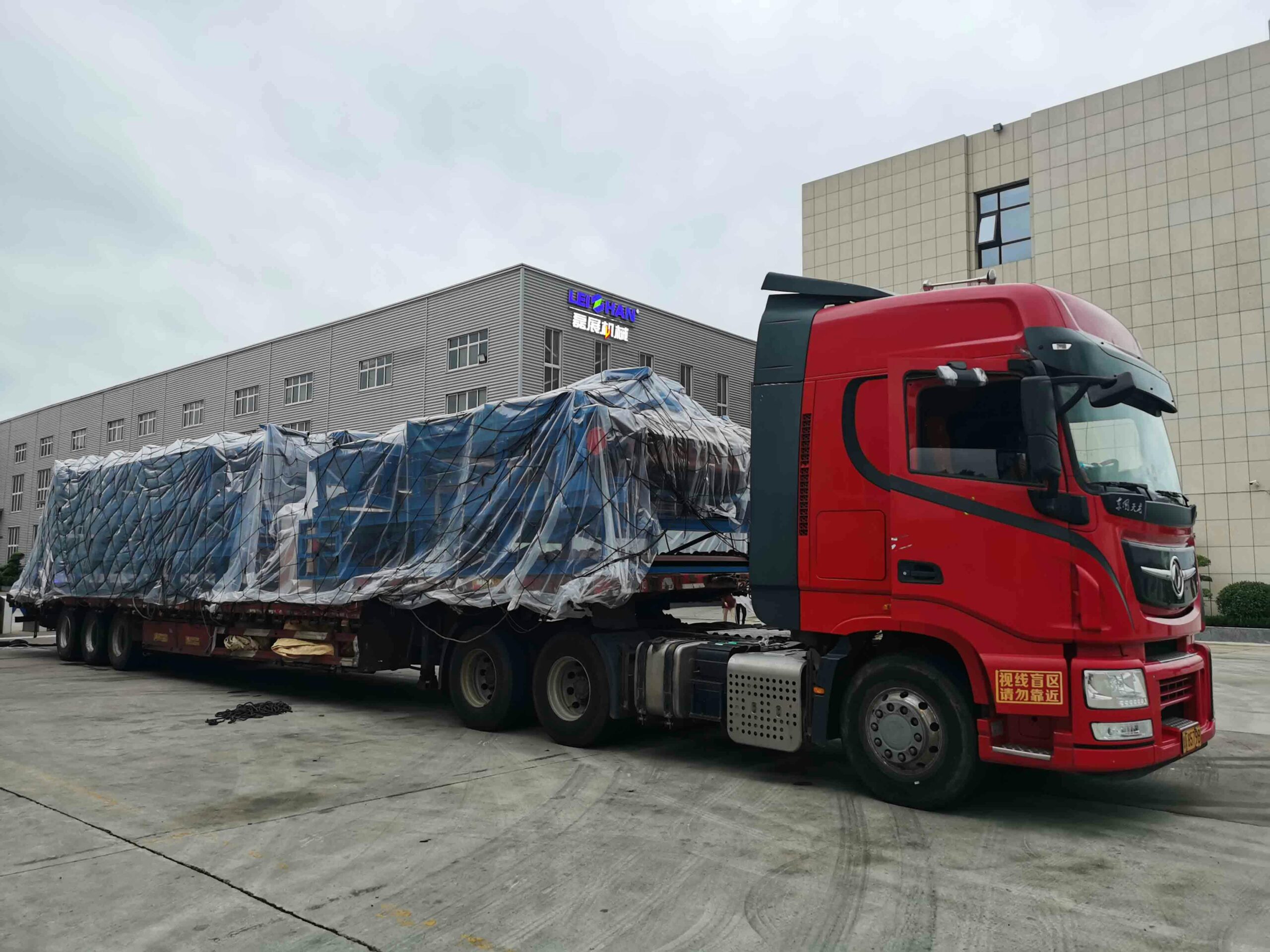
Transformative Impact of E-Commerce on Global Logistics
Introduction: Why E-Commerce Is Reshaping Global Logistics
E-commerce has fundamentally transformed how goods are bought, sold, and delivered across the world. What began as a convenient alternative to traditional retail has evolved into a dominant force driving global trade. Today, e-commerce is not just influencing logistics—it is redefining it. From warehouse design to last-mile delivery, global logistics systems have been reshaped to meet the speed, scale, and transparency demanded by digital commerce.
As online sales continue to grow across borders, logistics has become a critical enabler of e-commerce success. Businesses that fail to adapt their logistics strategies risk losing competitiveness, customer trust, and market relevance.
The Rise of E-Commerce and Its Global Reach
E-commerce has removed geographical barriers, allowing businesses to reach customers anywhere in the world. Consumers now expect seamless access to products regardless of origin, while businesses rely on global logistics networks to fulfill these expectations.
Key drivers of e-commerce growth include:
- Increased internet and mobile penetration
- Digital payment systems
- Global online marketplaces
- Changing consumer behavior and expectations
This global reach has dramatically increased shipment volumes, shipment frequency, and supply chain complexity.
Shift from Bulk Shipments to High-Volume, Small Parcels
Traditional logistics systems were designed around bulk, palletized shipments moving between businesses. E-commerce has reversed this model.
Key Changes Introduced by E-Commerce
- Increase in small, individual parcel shipments
- Higher shipment frequency with lower order value
- Greater pressure on sorting, fulfillment, and delivery systems
- Increased importance of last-mile logistics
Global logistics providers have had to redesign networks to handle speed and volume simultaneously.
The Transformation of Warehousing and Fulfillment
E-commerce has completely redefined warehousing operations. Warehouses are no longer static storage spaces—they are dynamic fulfillment centers.
E-Commerce-Driven Warehouse Innovations
- Automated picking and packing systems
- Robotics and conveyor technologies
- Real-time inventory management
- Multi-location fulfillment networks
- Micro-fulfillment centers closer to customers
These changes improve order accuracy, reduce delivery times, and support scalability.
Last-Mile Delivery: The Most Critical Logistics Challenge
The last mile is the most complex and expensive segment of e-commerce logistics. Customer expectations for same-day or next-day delivery have intensified pressure on logistics providers.
Last-Mile Logistics Trends
- Urban distribution hubs
- Route optimization and delivery clustering
- Alternative delivery methods (lockers, pickup points)
- Crowdsourced and on-demand delivery models
Efficient last-mile delivery is now a key competitive differentiator.
Technology as the Backbone of E-Commerce Logistics
E-commerce logistics is powered by technology. Without digital systems, the speed and scale of modern e-commerce would be impossible.
Key Technologies Driving Transformation
- Transportation Management Systems (TMS)
- Warehouse Management Systems (WMS)
- Real-time tracking and visibility platforms
- Artificial intelligence and predictive analytics
- Automation and robotics
Technology enables accuracy, transparency, and rapid decision-making across global logistics networks.
Cross-Border E-Commerce and Global Logistics Complexity
Cross-border e-commerce has added new layers of complexity to logistics operations.
Challenges include:
- Customs clearance and documentation
- Duties, taxes, and regulatory compliance
- Longer transit times and multiple handovers
- Increased risk of delays and returns
To succeed, businesses must integrate logistics, compliance, and customer communication seamlessly.
Reverse Logistics and Returns Management
E-commerce has significantly increased product returns, making reverse logistics a critical part of global logistics strategy.
Importance of Reverse Logistics
- Improves customer satisfaction
- Reduces inventory losses
- Supports sustainability through reuse and recycling
- Enhances cost recovery
Efficient returns processing is now essential to e-commerce profitability.
Impact on Transportation and Freight Networks
E-commerce has reshaped transportation demand across all modes.
Transportation Impacts
- Increased air freight for fast delivery
- Growth of regional road freight networks
- Continued reliance on sea freight for inventory replenishment
- Expansion of intermodal transport solutions
Logistics providers must balance speed, cost, and sustainability.
Sustainability Challenges and Opportunities
The growth of e-commerce has increased packaging waste, emissions, and urban congestion. At the same time, it has accelerated innovation in green logistics.
Sustainable E-Commerce Logistics Practices
- Route optimization to reduce emissions
- Eco-friendly packaging solutions
- Electric and low-emission delivery vehicles
- Consolidated deliveries and pickup points
Sustainability is becoming a core expectation rather than a competitive bonus.
Customer Experience as a Logistics Priority
In e-commerce, logistics is a direct part of the customer experience. Delivery speed, accuracy, and transparency strongly influence customer satisfaction.
Logistics impacts:
- Brand perception
- Customer loyalty and repeat purchases
- Online reviews and reputation
- Competitive positioning
Reliable logistics strengthens trust in digital commerce.
Data-Driven Decision Making in E-Commerce Logistics
E-commerce generates massive volumes of data. When properly analyzed, this data improves logistics performance.
Benefits of Data-Driven Logistics
- Better demand forecasting
- Inventory optimization
- Proactive disruption management
- Improved delivery performance
Data transforms logistics from reactive to predictive.
The Role of Logistics Partners in E-Commerce Success
Few businesses manage e-commerce logistics alone. Strategic logistics partnerships are essential.
Logistics partners provide:
- Scalable infrastructure
- Technology integration
- Regulatory expertise
- Global network access
Strong partnerships enable rapid market entry and growth.
E-Commerce and Supply Chain Resilience
Recent global disruptions have highlighted the importance of resilient logistics systems.
E-commerce-driven resilience strategies include:
- Multi-warehouse networks
- Diversified transport routes
- Flexible fulfillment models
- Real-time visibility and contingency planning
Resilience ensures continuity in volatile markets.
Competitive Advantage Through E-Commerce Logistics Excellence
In digital commerce, logistics performance often determines market leadership.
How Logistics Creates Advantage
- Faster delivery than competitors
- More reliable fulfillment
- Better returns experience
- Transparent tracking and communication
Logistics excellence directly supports revenue growth.
Challenges Businesses Face in Adapting to E-Commerce Logistics
Despite its benefits, transformation is not without challenges:
- High investment in technology and infrastructure
- Skills and workforce adaptation
- Integration with legacy systems
- Managing cost pressures
However, the cost of inaction is far greater.
Future Trends in E-Commerce Logistics
Key trends shaping the future include:
- Same-day and instant delivery models
- Autonomous and drone delivery
- AI-driven logistics planning
- Sustainable and circular logistics
- Greater integration between commerce and logistics platforms
Early adopters will define future standards.
E-Commerce as a Catalyst for Logistics Transformation
E-commerce has fundamentally transformed global logistics, pushing it toward greater speed, flexibility, visibility, and customer focus. Logistics is no longer a background operation—it is a core driver of e-commerce success and global trade growth.
Businesses that align logistics strategy with e-commerce demands gain resilience, scalability, and competitive strength. In an increasingly digital economy, the future of commerce belongs to those who master the logistics behind it.

0