Shipments daily across multiple transport modes
This approach improves route flexibility, cost efficiency, and transit reliability by combining the strengths of different transport modes. Effective multimodal transport relies on strong coordination, standardized procedures, and integrated planning to ensure smooth transitions and consistent delivery performance across the supply chain.
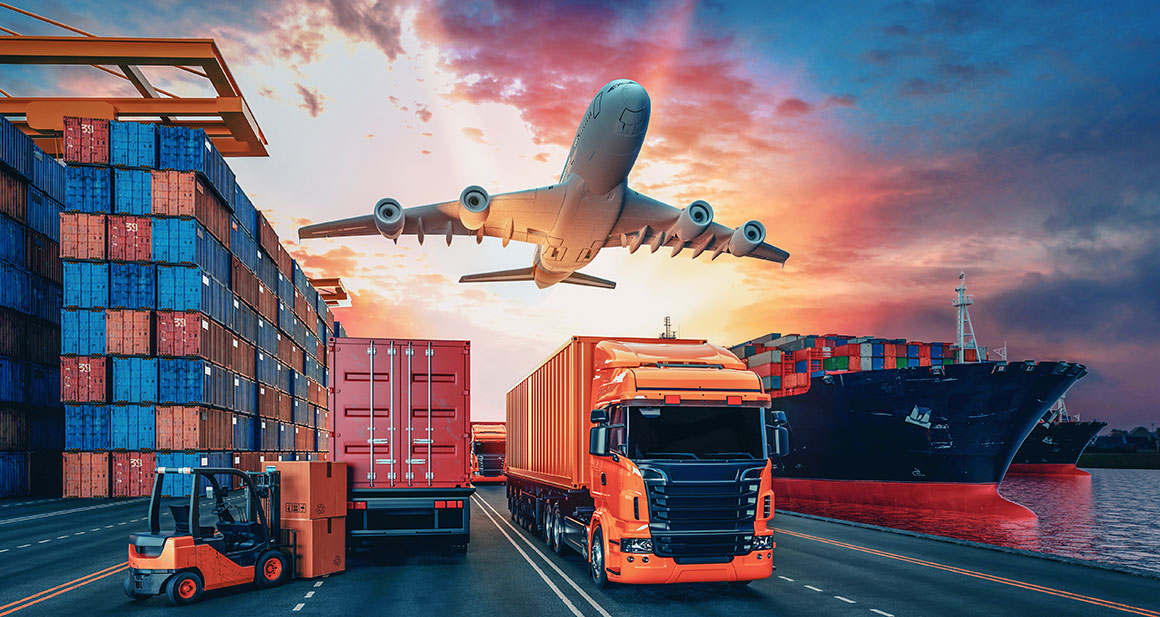
Multimodal transport involves the use of two or more modes of transportation—such as road, rail, sea, and air—under a single, coordinated transport arrangement. It enables efficient movement of goods across long distances while simplifying management through unified responsibility and documentation.
00
+
00
%Energy-efficient vehicles for a greener solution.
Intermodal Freight Transport
Intermodal freight transport refers to the movement of goods using two or more modes of transportation—such as road, rail, sea, and air—where each segment is managed separately but coordinated to achieve efficient end-to-end delivery. Cargo is typically moved in standardized containers, allowing transfers between modes without unpacking, which reduces handling time and risk of damage.
-

Ocean Freight
Ocean freight is a central pillar of international logistics, enabling the transportation of large volumes of cargo across global maritime routes with high efficiency and cost effectiveness. It is ideally suited for containerized goods, bulk commodities, heavy equipment, and project cargo that require substantial capacity rather than rapid transit.
-

Air Freight
Air freight is a key logistics solution designed for the rapid transportation of goods across regional and international markets. It is especially suited for urgent, high-value, and sensitive cargo where speed, security, and reliability are critical to maintaining supply chain continuity. Operating within a tightly regulated environment, air freight requires strict compliance with aviation safety, security protocols, and customs regulations. Advanced handling, controlled storage conditions, and real-time tracking systems are commonly used to protect cargo integrity. Although it involves higher costs than other transport modes, air freight remains essential for industries that depend on fast transit times and predictable delivery performance.
-

Road Freight
Road freight is a vital component of logistics networks, providing flexible and dependable transportation for goods over short and medium distances. It plays a key role in door-to-door delivery, last-mile distribution, and in linking ports, warehouses, and production facilities.
Services We Offered
Services we offered encompass a full spectrum of logistics solutions designed to meet complex and evolving supply chain needs. From transportation management and cargo handling to coordination and operational support, each service is structured to ensure efficiency, reliability, and cost control across every stage of movement.